


Awards & Recognition





If the IRS has proposed changes to your federal tax return, your next move is crucial. A high-risk tax audit that is not managed strategically can escalate into years of additional tax, penalties, and interest, and in the wrong fact pattern, it can lead to an exponentially worse criminal tax referral. The Independent Office of Appeals exists to resolve federal tax controversies without litigation; however, success there depends on preparation, procedure, and credibility. At the Tax Law Offices of David W. Klasing in Hawaii, our dual-licensed Attorneys and CPAs build appeals that are fact-driven, legally grounded, and calibrated to the IRS’s own standards for settlement, with the singular goal of keeping your matter civil, contained, and resolved on the best terms available.
What an IRS “Appeal” Actually Is, and Why It Helps
Appeals is a separate function inside the IRS whose mission, by statute, is to resolve federal tax disputes fairly and impartially, while enhancing public confidence in the system. Congress codified Appeals’ independence in Internal Revenue Code section 7803(e), and the IRS issued final regulations in January 2025 clarifying who may go to Appeals and how autonomy and access are protected. The upshot is simple: Appeals is meant to be a neutral forum that evaluates the “hazards of litigation” on both sides and seeks a principled settlement without trial.
Appeals is not the same as Examination. Examiners develop facts and propose adjustments; Appeals re-evaluate the law and facts with fresh eyes. Your appeal can occur before you ever file in court, or after you timely petition the U.S. Tax Court, where a “docketed” case is often sent to Appeals for possible settlement before trial. The Internal Revenue Manual explains that Appeals resolves cases by weighing litigation risks rather than simply splitting the difference, which is why a persuasive factual record and coherent legal theory are essential.
The Road to Appeals: From 30-Day Letter to Tax Court
Most examination cases follow a predictable path:
- 30-Day Letter and Protest: After the Exam proposes changes, you typically receive a 30-day letter inviting you to request an Appeals review. For smaller proposed liabilities, you can often use a simplified Form 12203, Request for Appeals Review. For larger cases, you file a formal protest that identifies the issues, facts, law, and relief sought. Publication 5 explains both routes and the content that Appeals expects to see.
- Statutory Notice of Deficiency: If you do not resolve with Exam or timely request Appeals, you may receive a 90-day statutory notice. You have 90 days from the notice date to petition the U.S. Tax Court. The filing fee is 60 dollars, and petitions are e-filed through the Court’s DAWSON system. Filing preserves your right to court review without first paying the tax, and many cases then settle in Appeals.
- Audit Reconsideration and AUR Notices: If you missed your chance to appeal or moved and never received IRS correspondence, Audit Reconsideration may be available, especially where you have new documentation. The IRS describes eligibility and steps in Publication 3598 and the IRM; underreporter CP2000 cases have their own dispute path that can also reach Appeals.
- Collection Appeals and Boechler: If the dispute has shifted to liens or levies, you may request a Collection Due Process hearing within 30 days. In 2022, the U.S. Supreme Court ruled that the 30-day CDP petition deadline for Tax Court review is not jurisdictional and is subject to equitable tolling, a narrow exception in rare cases. This ruling does not change the need to act promptly.
How We Build a Winning Appeals Record
Control the first contact: Since the IRS largely ended unannounced field visits and now schedules initial revenue officer meetings via Letter 725-B, your first written response and document plan matter more than ever. A measured, attorney-routed reply sets the tone and protects privilege.
Fix the file before it reaches Appeals: Appeals officers base their decisions on the administrative record they review. Our dual-licensed IRS Appeals Representation Attorneys and CPAs reconstruct income, basis, and deductions from third-party data and client books; reconcile information-return mismatches; and prepare sworn statements and exhibits that address each proposed adjustment with documentary proof. Publication 556 outlines how Exam evaluates records and how Appeals reviews the case, which guides our presentation.
Argue the law the way Appeals decides cases: Appeals’ settlement posture turns on hazards of litigation. We brief the governing Code, regulations, and controlling cases, then identify the government’s evidentiary risks and legal exposure. The Internal Revenue Manual expressly describes this standard, and our submissions are built to that rubric.
Preserve independence and fairness: Appeals is required to avoid prohibited ex parte communications with Compliance that might compromise neutrality. We monitor and, when appropriate, object to process defects under the ex parte rules, ensuring your case receives the independent review the law requires.
Use ADR when it helps: For suitable cases, we consider Fast Track Settlement with Exam or Post-Appeals Mediation to break narrow impasses. These programs offer an IRS mediator and can help shorten timelines when both parties are close to a resolution.
Common Hawaii Appeals Issues We Handle at the Tax Law Offices of David W. Klasing
Schedule C and substantiation disputes: Hospitality, construction, professional services, and real estate professionals often face disallowed expenses due to a lack of receipts, mileage logs, or contemporaneous records. We rebuild substantiation with secondary evidence and credible testimony tied to bank data and calendars, and we negotiate penalty relief using reasonable-cause standards.
Flow-through and basis problems: S corporation and partnership exams routinely turn on shareholder or partner basis, debt basis, at-risk limits, and passive-activity rules. We reconcile K-1s, capital accounts, and loan documents to support loss claims or minimize recharacterizations.
International information-return penalties: Late or incomplete Forms 5471, 8865, 8858, 3520, and 3520-A can trigger steep automatic penalties. Appeals has jurisdiction to consider reasonable cause and penalty defenses. We marshal facts, contemporaneous reliance, and corrective filings to reduce or remove penalties.
Accuracy-related and fraud penalties: The difference between a 20 percent negligence penalty and a 75 percent civil fraud penalty is enormous. We frame the facts to avoid badges of fraud, argue reasonable cause and good-faith reliance, and keep matters on a civil track. Publication 5 and 556 describe how penalties are proposed and challenged, and we align our defenses accordingly. IRS
Employment tax and trust-fund exposure: For businesses with payroll issues, Appeals can be a critical forum to resolve worker classification, unpaid trust-fund taxes, and personal assessment risk. We present business realities, cash-flow narratives, and compliance corrections that support practical settlements.
What to Expect Procedurally in an Appeals Case in Hawaii
- Conference format: Appeals conferences can be conducted by phone, video, or in person, as appropriate. You can authorize representation on Form 2848 and allow your team to speak on your behalf; use Form 8821 when only information access is required. The IRS now accepts digital submissions and Tax Pro Account authorizations for faster processing.
- Issue framing and record building: We submit a targeted protest or position memo with exhibits, address each proposed adjustment and penalty, and identify the government’s litigation hazards so settlement has a principled basis in Appeals’ own methodology.
- Negotiation and resolution: Appeals can fully concede, partially concede, or sustain adjustments. Settlements may include computational agreements, penalty abatements, or waivers. If the case is docketed in Tax Court, settlements are documented and submitted for the Court’s entry of decision.
- If you cannot settle: You retain the right to proceed in the U.S. Tax Court within the 90-day petition window after a statutory notice, or in refund forums if you pay and sue for refund in District Court. Strategy turns on jurisdiction, record quality, and costs, which we analyze at the outset.
Avoiding Pitfalls that Derail Appeals
- Missing deadlines. Use trackable mail or e-filing and schedule all dates on your calendar. Specific deadlines are unforgiving; while the Supreme Court has allowed equitable tolling in the 30-day CDP context, do not rely on tolling outside that narrow holding.
- Over-producing records. Submitting a large, unsorted set of records to Exam or Appeals often backfires, as it can bury key facts, prolong the case, and trigger questions on issues that weren’t originally in dispute. At the Tax Law Offices of David W. Klasing, we deliver a targeted, indexed evidentiary packet that ties each document to a specific adjustment and builds the precise record we want the IRS to rely on. We curate what is necessary to meet your burden of proof, preserve privilege, and avoid volunteering harmful material. Publication 556 outlines the expectations of the IRS.
- Using the wrong messenger. CPAs and EAs can represent you administratively, but only attorneys can protect your communications with attorney-client and work-product privilege and extend that protection to accountants retained under a Kovel arrangement. In sensitive cases, that protection is crucial to maintain a civil atmosphere and prevent a life-destroying criminal tax prosecution.
Why Choose the Tax Law Offices of David W. Klasing for Your Federal IRS Appeal in Hawaii
At the Tax Law Offices of David W. Klasing, you get a dual-licensed team of Attorneys and CPAs working in one coordinated unit. That structure matters at Appeals, where outcomes turn on both courtroom advocacy and forensic tax precision. We build the administrative record in the same manner as Appeals decides cases, utilizing the IRS’s own framework for hazards of litigation, a targeted protest that ties each proposed adjustment to credible documentary evidence, and a clear legal theory grounded in the Code, regulations, and controlling precedent. From reconstructing income, basis, and deductions to resolving international information return penalties, we present a comprehensive, organized evidentiary packet that provides Appeals with a principled basis to settle on favorable terms.
We protect privilege and control risk from the first contact. All communications run through counsel under the attorney-client and work product protections, and we extend that protection to accountants engaged under a Kovel arrangement when complex accounting work is required. We enforce appeals independence and ex parte rules, utilize Fast Track Settlement or Post-Appeals Mediation when appropriate, and maintain a civil tone by managing interviews, document production, and penalty defenses with discretion. Whether the dispute involves Schedule C substantiation, flow-through basis, employment tax trust fund exposure, or high-stakes international filings like Forms 5471, 8865, 8858, 3520, 3520 A, and 8621, our approach is the same: deliver a fact-rich, law-driven presentation that narrows issues, mitigates penalties, and avoids unnecessary litigation.
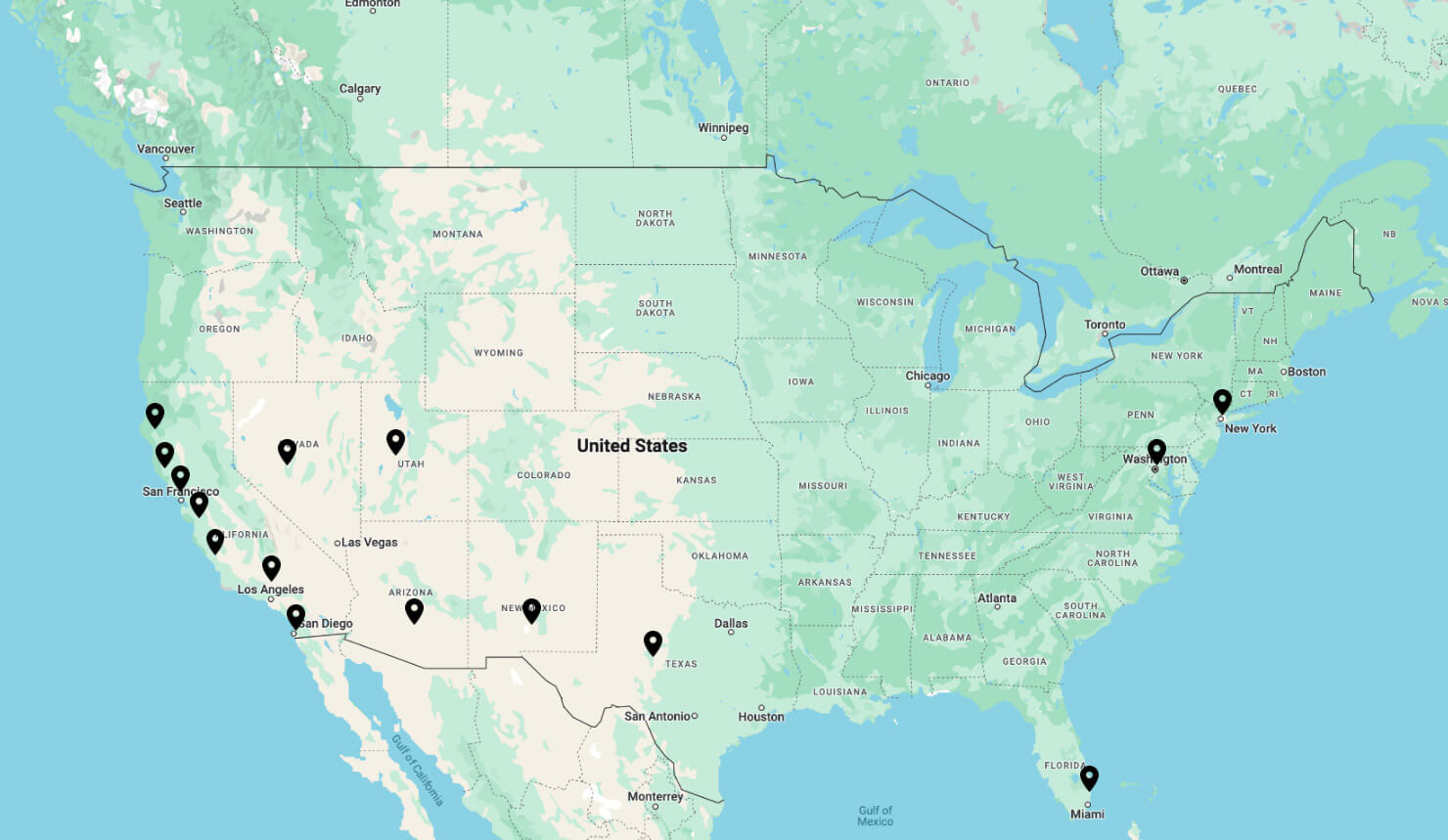
David’s proven proficiency is now available in Honolulu, Hawaii, at our appointment-only satellite office, providing both legal and federal tax services in one place—at a single hourly billing rate. We have introduced a flexible scheduling option, allowing our clients to reserve a four-hour slot at any of our satellite locations. David W. Klasing will travel to any of our satellite offices to meet with you personally. This option must be preceded by a one-hour phone or GoToMeeting consultation to warrant incurring the travel expenses and opportunity costs of traveling. We have designed this service to benefit our clients, with no additional travel expenses added to your bill. Call us at 1-(808)-518-2380 or complete our online contact form today.
Our Honolulu, Hawaii Office is conveniently located at:
1003 Bishop Street, Suite 2700
Honolulu, HI 96813
Telephone: 1-(808)-518-2380
Here is a link to our YouTube channel: click here!
See our IRS Appeals Q and A Library
See our Tax Litigation Q and A Library