


Awards & Recognition





Idaho Falls might project a laid-back, small city feel, but federal tax enforcement here is anything but relaxed. Idaho Falls’ mix of agriculture and agribusiness, energy and nuclear research tied to the Idaho National Laboratory, outdoor tourism as a gateway to Yellowstone and Grand Teton, construction and real estate development, and closely held professional and tech services routinely intersect with federal tax rules that carry severe civil and criminal tax consequences when they are ignored, evaded, or misrepresented. When a high-risk IRS civil audit or collection action uncovers badges of fraud, a matter can pivot into a criminal tax investigation with life-altering stakes. IRS Criminal Investigation reports a conviction rate exceeding 90 percent for cases it chooses to prosecute. This statistic explains why early, disciplined defense is critical the moment criminal tax exposure is possible.
The Federal Crimes Most Often Charged in “Tax Fraud” Cases
“Tax fraud” is not a single statute. It is a cluster of federal tax crimes that prosecutors and IRS Criminal Investigation use when they believe tax understatements were willful.
Tax Evasion, 26 U.S.C. § 7201
The government must prove a tax due and owing, an affirmative act to evade or defeat the tax, and willfulness. Conviction can result in imprisonment and fines.
False Return, 26 U.S.C. § 7206(1)
Willfully signing and filing a materially false return under penalties of perjury is a felony, even if tax is not underpaid in the year at issue.
Fraudulent Returns or Statements, 26 U.S.C. § 7207
Making or furnishing false documents to the IRS can be charged as a misdemeanor.
Obstruction of the Administration of the Tax Laws, 26 U.S.C. § 7212(a)
After the Supreme Court’s decision in Marinello v. United States, obstruction requires a nexus to a pending or reasonably foreseeable IRS action and corrupt intent, which narrows overbroad theories but still captures conduct like document destruction, sham paper trails, or witness tampering that targets an audit or collection action.
Payroll Trust Fund Crimes, 26 U.S.C. § 7202
Willful failure to collect or pay over employment tax can lead to felony charges and parallel civil trust fund assessments.
False Statements to Federal Agents, 18 U.S.C. § 1001
Lying to IRS special agents or revenue personnel is a separate felony, even without an oath and even if the lie is oral.
The IRS teaches exam and collection personnel to watch for indicators of fraud and to escalate when those indicators harden into “firm indications” of fraud. The Internal Revenue Manual directs exam teams to consult the fraud handbook and to involve Fraud Enforcement Advisors when appropriate.
How Routine Civil Tax Audits Become Life-Altering Criminal Tax Investigations
Understanding how the IRS builds a criminal tax case is often the difference between containing a civil audit and triggering a life-destroying criminal tax investigation that can upend your liberty, livelihood, and reputation.
Fraud Development and Rferral
Since creating the Office of Fraud Enforcement, the IRS has formalized the use of Fraud Enforcement Advisors in place of the older Fraud Technical Advisor role. When exam or collection personnel observe clear indications of fraud, they can prepare a detailed referral to IRS Criminal Investigation (CI). The Internal Revenue Manual explains this structure and the FEA’s involvement. IRS CI’s major goal is to prosecute tax crimes to deter fraudulent tax reporting behavior. They boast over a 90% conviction ration for completed investigations where prosecution was approved by the Department of Justing income tax division.
First Contact Protocol
he IRS ended most unannounced revenue officer visits and now schedules initial field meetings with Letter 725-B. That seemingly small change increases the importance of your first response and document plan. Mishandling that step can expand the scope or invite tax fraud development.
What CI Prioritizes
IRS-CI allocates resources to cases with high probabilities of conviction, strong affirmative acts, apparent tax loss, corroborating records, and inconsistent taxpayer explanations. CI commonly uses data analytics and third-party information to corroborate unreported income streams.
Statutes of Limitations
The regular statute of limitations for the IRS is three years. It can extend to six years where there is a 25% or greater omission of income as described in the Code, and there is no limitation period for assessments attributable to fraud. The Internal Revenue Manual and Code provisions governing assessment confirm these timelines.
Immediate Steps If IRS Special Agents or Revenue Personnel Contact You in Idaho Falls
- Verify and pause. Ask to see badges and photo IDs, take business cards, and determine whether the matter is an administrative CI case or a grand jury investigation. Then stop. Do not answer substantive questions before you consult counsel. Lying to a federal agent can itself be charged under 18 U.S.C. § 1001.
- Do not call your accountant first: Communications with accountants are not privileged. Only an attorney-client relationship and the attorney work-product doctrine protect your admissions and strategy, and counsel can extend derivative protection to accountants engaged through a Kovel arrangement.
- Control records and narratives. At our firm, all communications are routed through counsel. We limit interviews, sequence productions, and build a defensible record that meets your burden of proof without volunteering harmful material.
- Assume parallel tracks. A civil tax audit can continue while IRS-CI clandestinely develops a case. The IRS’s fraud procedures contemplate parallel paths, which is why disciplined messaging and privilege are essential from the first contact.
Damage Control That Works: Keeping It Civil or Using Voluntary Disclosure
In the correct fact pattern, skilled dual-licensed tax attorneys and CPAs in Idaho Falls can keep a matter civil by addressing the IRS’s evidentiary concerns, documenting business reality, and eliminating the badges of fraud that drive criminal tax referrals. When past conduct was willful, the safer path is often to enter the IRS Criminal Investigation Voluntary Disclosure Practice (VDP) promptly.
What VDP Requires
Preclearance and submission are made on Form 14457. The program demands timely, truthful, and complete disclosure, cooperation, and arrangements to pay tax, penalties, and interest. When accepted, VDP has long functioned as the primary pathway to resolve criminal exposure while restoring compliance.
Why Timing is Everything
A disclosure must occur before the IRS begins a civil exam or criminal investigation and before the government acts on third-party information about you.
Why You Need an Attorney (Not Just a Preparer)
VDP is a legal process with criminal exposure. Only attorneys can provide privilege, direct accounting work under Kovel, and negotiate with CI and DOJ Tax without turning your preparer into a witness.
Why Choose the Tax Law Offices of David W. Klasing
At the Tax Law Offices of David W. Klasing, you do not choose between advocacy and accounting. You get both in one coordinated team. Our dual-licensed Criminal Tax Defense Attorneys and CPAs bring courtroom-ready defense and deep tax procedure knowledge to a single file, which means we know how exam teams document fraud indicators, when to limit interviews, how to route communications to preserve privilege, and when to engage CI or DOJ Tax to resolve matters before indictment.
David W. Klasing holds an A+ rating with the Better Business Bureau and a 10.0 AVVO score. In a country with more than a million attorneys and over half a million CPAs, relatively few hold both licenses, and fewer still have also earned a Master’s in Taxation. That combination matters in criminal-exposure cases, where outcomes turn on return positions, financial reconstructions, privilege, and procedure.
We Defend Across the Tax-Fraud Spectrum
- Evasion and false returns under 26 U.S.C. §§ 7201 and 7206(1), with fines enhanced under 18 U.S.C. § 3571 for individuals and organizations.
- Obstruction under 26 U.S.C. § 7212(a), analyzed post-Marinello for nexus and corrupt intent.
- Employment-tax prosecutions under 26 U.S.C. § 7202 and parallel trust-fund assessments.
- Records and statements offenses, including 26 U.S.C. § 7207 and 18 U.S.C. § 1001.
From Idaho Falls, we represent individuals and businesses across Idaho Falls in high-risk civil and criminal federal tax controversies. Our objective is straightforward: damage control from day one, keeping your case civil wherever possible, minimizing civil penalties, and avoiding criminal tax prosecution. Note: For our Idaho Falls Office, our firm handles federal tax law, not Idaho state tax requirements.
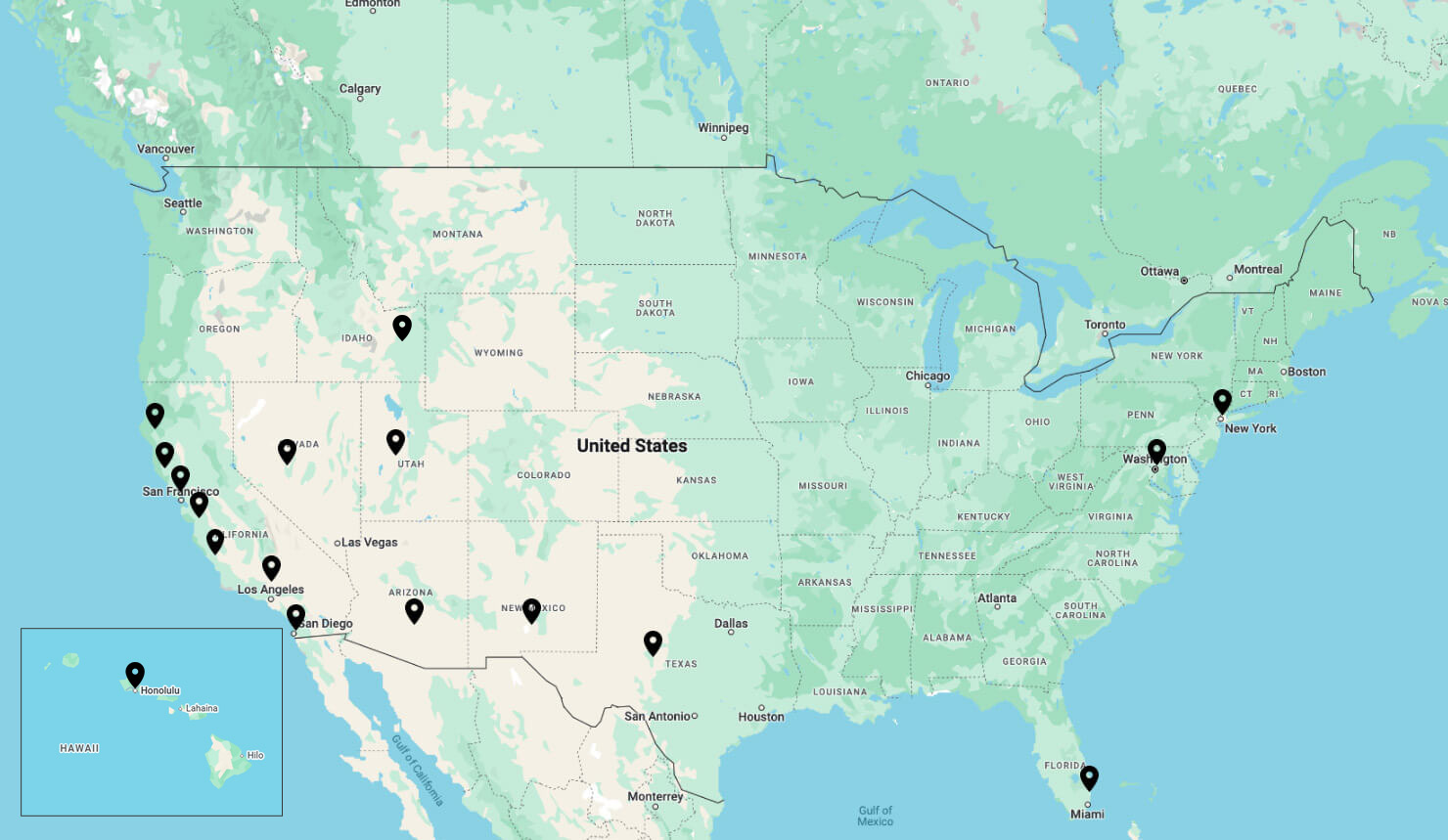
David’s proven proficiency is now available in Idaho Falls, Idaho, at our appointment-only satellite office, providing both legal and federal tax services in one place—at a single hourly billing rate. We have introduced a flexible scheduling option that allows our clients to reserve a 4-hour slot at any of our satellite locations. David W. Klasing will travel to any of our satellite offices to meet with you personally. This option must be preceded by a one-hour phone or GoToMeeting consultation to warrant incurring the travel expenses and opportunity costs. We have designed this service to benefit our clients, with no additional travel expenses added to your bill. Call us at (208) 656-7702 or complete our online contact form today.
Our Idaho Falls, Idaho Office is Conveniently Located at:
1846 First Street
Idaho Falls, ID 83401
Telephone: 1-(808)-518-2380